The Evolving Frontier of Well Control: 2025 IADC Well Control Conference Review
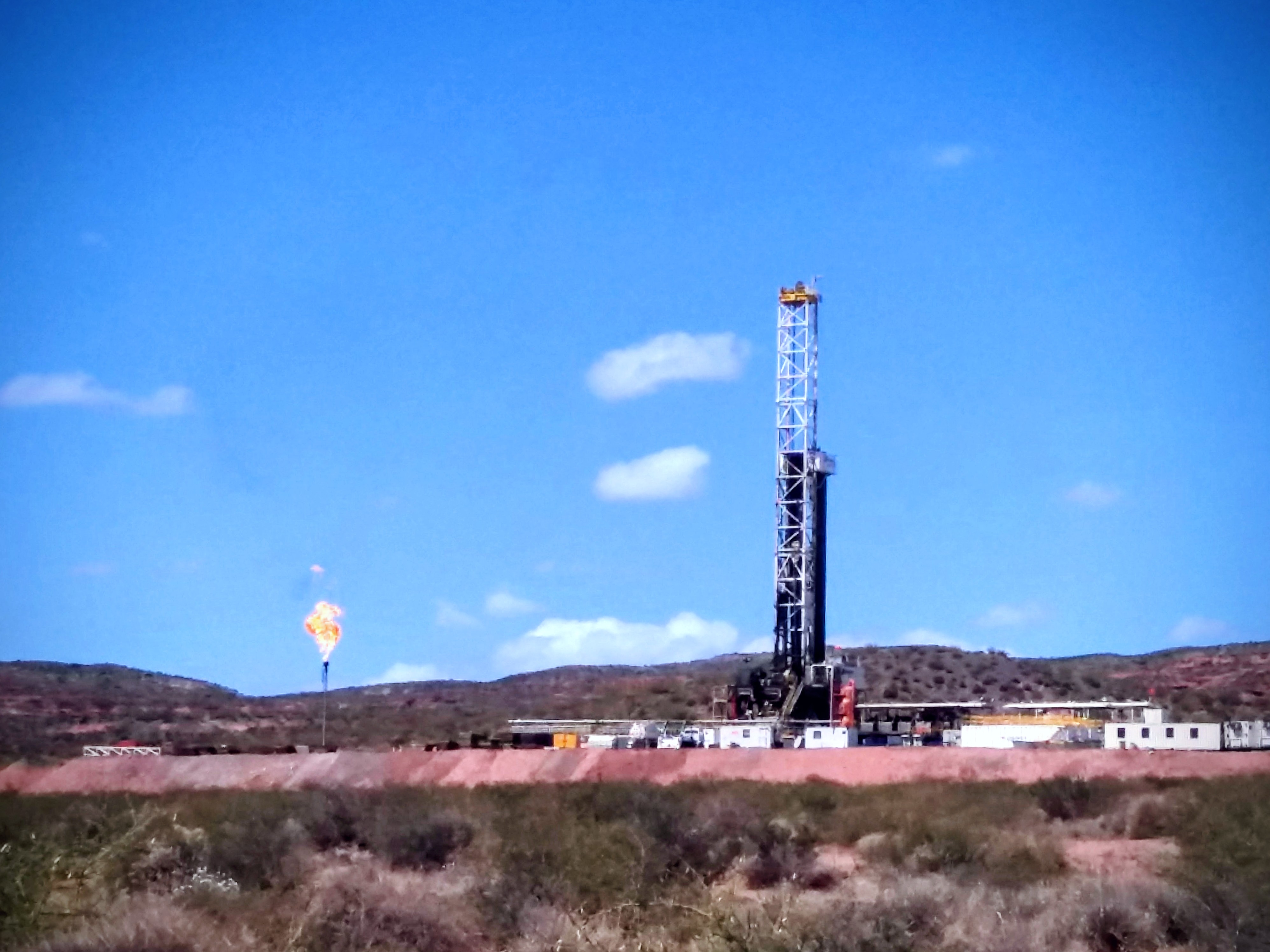 Photo by Santiago Callerio
A comprehensive look at the latest in MPD regulations, MGS design, kick tolerance modeling, shifting blowout trends, CO2 management, and the future of energy.
The landscape of well control is constantly evolving. While foundational principles remain, the technologies we use, the regulations we follow, and the challenges we face are in a state of dynamic change.
This was the overarching theme at the recent 2025 IADC Well Control Conference of the Americas & Exhibition. The event served as a critical pulse check on the industry, with a heavy focus on the maturation of Managed Pressure Drilling (MPD), alongside insightful discussions on emerging risks, new energy frontiers, and next-generation hardware.
For those who couldn’t attend or want a comprehensive recap, we’ve summarized the most significant takeaways from a packed and informative conference.
Part 1: MPD Takes Center Stage
Managed Pressure Drilling has officially graduated from a niche technology to a core component of modern well construction. The conference discussions have moved past if MPD should be used and are now firmly focused on how to optimize its application safely and efficiently.
The New Regulatory Landscape: BSEE Formalizes MPD’s Role
The most significant development was the deep dive into BSEE’s updated guidelines for MPD (NTL 2024-G05).
Building on a decade of experience from over 220 subsea BOP wells, the agency is solidifying MPD’s position as a primary well control system. The key message is that MPD is no longer considered “new technology” but a mature discipline with rigorous expectations.
MPD systems are now officially viewed by BSEE as well control (WC) equipment, with requirements that may be even more stringent than for conventional WC equipment.
Key mandates include:
- MPD as Well Control Equipment: MPD systems are now officially viewed as well control (WC) equipment under guidelines like 30 CFR 250.738, with requirements that may be even more stringent than for conventional WC equipment.
- Mandatory I3P Verification: Operators must provide an Independent Third Party (I3P) “fit for service” report covering all MPD procedures, equipment, and the complete maintenance and spares management plan.
- Enhanced Testing and Training: The guidelines mandate frequent pressure testing of MPD equipment alongside traditional WC equipment (every 21 days) and emphasize robust crew training focused on the critical transition from standard MPD to active well control.
This regulatory shift underscores the industry’s reliance on MPD and formalizes the high standard of integrity and readiness required for these systems.
Critical by Design: Re-Engineering the Mud Gas Separator (MGS)
No MPD system is complete without a robust Mud Gas Separator, and this vital equipment received a much-needed focus.
IOGP Position Paper Preview - Mud Gas Separator Design and Operating Recommendations (November 2024)
A presentation based on IOGP Position Paper - Mud Gas Separator Design and Operating Recommendations(Nov. 2024) highlighted a critical vulnerability: the technology has been relatively unchanged for 50 years, despite its use in new, demanding applications (e.g., MPD influx circulation, drill-through for unconventionals).
Martyn Parker (Pruitt) complemented this by sharing practical insights from designing MGS for modern MPD operations. The core challenges are clear:
- Handling Higher Rates: MPD systems often use higher circulating rates, which significantly decreases the time available to process an influx, demanding more efficient MGS performance.
- New Use Cases: The placement of an MGS directly downstream of a choke manifold in an MPD setup creates unique operational dynamics that must be accounted for in the design.
These sessions collectively stressed that the MGS can no longer be an afterthought. It must be specifically engineered and verified for the unique flow regimes and potential upset conditions encountered in closed-loop drilling.
Advancing the Science: From Models to Full-Scale Tests
First, the presentation on Comprehensive Kick Tolerance Review (Barbato, et al., 2025) provided a critical comparison of the traditional Single Bubble model against more sophisticated Multi-phase Models. While confirming many established principles, this work reinforces the need for advanced modeling to accurately define our operational window and manage influxes proactively.
This was followed by a fascinating study from Louisiana State University on Gas Migration and Shut-In Pressures (Kunju & Almeida, 2025). Using a full-scale test well, their research provided invaluable real-world data, revealing that:
- Actual shut-in pressures were much lower than predicted by simple models, due to factors like fluid compressibility and casing “ballooning.”
- High gas solubility in synthetic-based mud (SBM) also led to significantly lower surface pressures.
- Gas bubbles tended to “string out” and disperse as they migrated, further reducing peak pressure at surface.
This fundamental work is crucial for validating the models we use and refining the procedures for safely managing gas in an MPD environment.
Part 2: Beyond MPD - Broader Trends Shaping the Industry
While MPD was a dominant topic, the conference also provided a wide-angle view of the other forces shaping the well control and energy sectors.
The Regulatory and Energy Horizon
The Bureau of Ocean Energy Management (BOEM) announced an ambitious plan for 30 new leases in the Gulf of Mexico and 6 in Alaska’s Cook Inlet between 2026 and 2040 (BOEM Press Release, DOI Press Release). To attract investment, royalties would be reduced to 12-16%, and efforts are underway to reduce regulatory burdens and expedite project approvals.
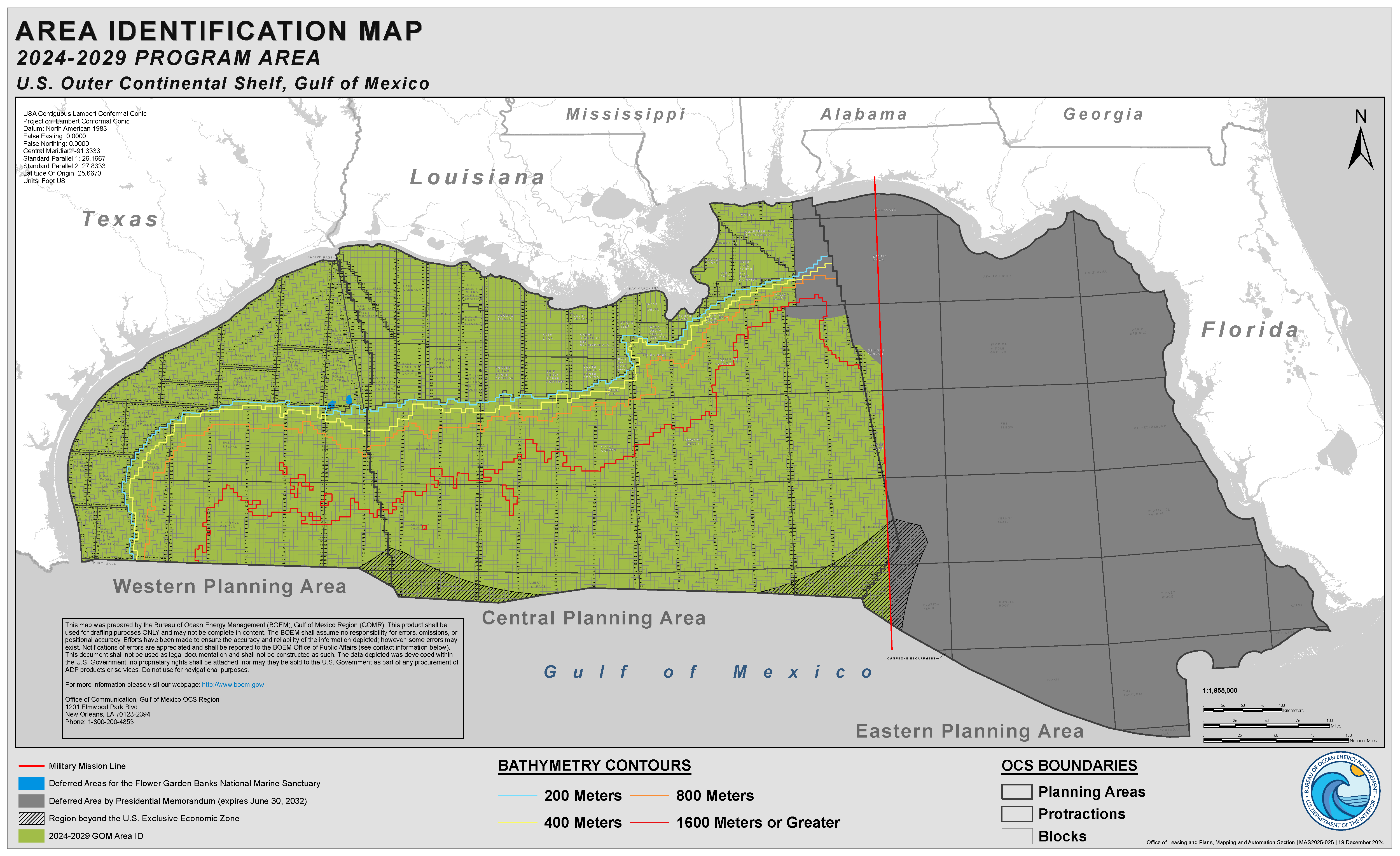 2024-2029 GOA Area Identification (Bureau of Ocean Energy Management, 2025)
On the new energy front, Toney Deer (Chair of Geothermal Development) signaled an upcoming announcement to accelerate geothermal development. The focus is on supercritical wells and medium/low enthalpy fields, highlighting the direct transferability of skills and technology from the oil and gas industry to this growing sector.
A Startling Shift in Blowout Trends
Presentations from three major well control companies (Wild Well Control, Cudd Well Control, and Halliburton Boots and Coots) revealed a dramatic shift in the source of blowouts over the last 15 years:
- Drilling-related incidents have fallen from 20% to just 5% of the total.
- Workover incidents have remained flat at 30%.
- Completion and Production incidents have surged from 40% to 70%, with many events related to frac hits on older, abandoned wells.
This data underscores a clear change in the industry’s risk profile, demanding greater focus on the integrity of aging assets and the management of stimulation operations.
Preparing for New Challenges: CO2 and Electrification
Looking to the future, the conference addressed emerging operational challenges.
Lei Zhou (SLB) shared insights on managing CO2 kicks during drilling for carbon capture and storage (CCS) projects. Key concerns include the ability to detect small influxes, the risk of hydrate formation, and managing the significant Joule-Thomson cooling effect across the choke.
Finally, a discussion on Electric BOPs by Brian Piccolo (HMH) and Matthew Givens (SLB) explored the next step in rig hardware evolution. While offering significant benefits in space, maintenance, and reliability, the primary challenge is the lack of a regulatory framework and the need to establish equivalency between hydraulic force (kips) and electric power (amperes).
The Final Word
The 2025 IADC Well Control Conference of the Americas & Exhibition painted a clear picture of an industry in transition. It is maturing and standardizing core advanced technologies like MPD while simultaneously adapting to a changing risk landscape and looking ahead to the challenges and opportunities of the energy transition. The commitment to advancing the science and practice of well control remains stronger than ever.
Reference Conference Presentations:
- Comprehensive Kick Tolerance Review: Comparing the Single Bubble model, Multi-phase Model and Influx Management Envelope (IME): Tom Barbato, Technical Lead – Western Hemisphere, Helio Santos, SafeKick, et al.
- Novel Insights into Gas Migration and Shut-In Pressures in Water and SBM: A Full-Scale Test Well Study: Mahendra Kunju, Research Manager, Mauricio Almeida, Louisiana State University
- MGS Position: Philip Kuentz, Wells Engineer, Shell
- Bridging Compliance and Innovation: Aligning MPD Operations with BSEE’s 2024 Guidelines: John Hoefler, Sr. VP of Compliance, Moduspec
- MGS design consideration when using MPD: Martyn Parker, Vice President MPD Services, Pruitt